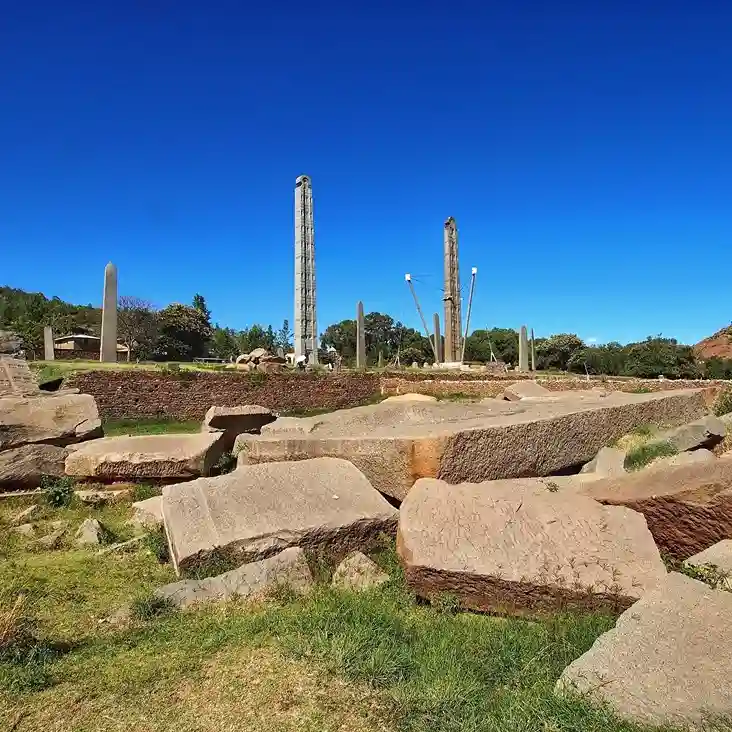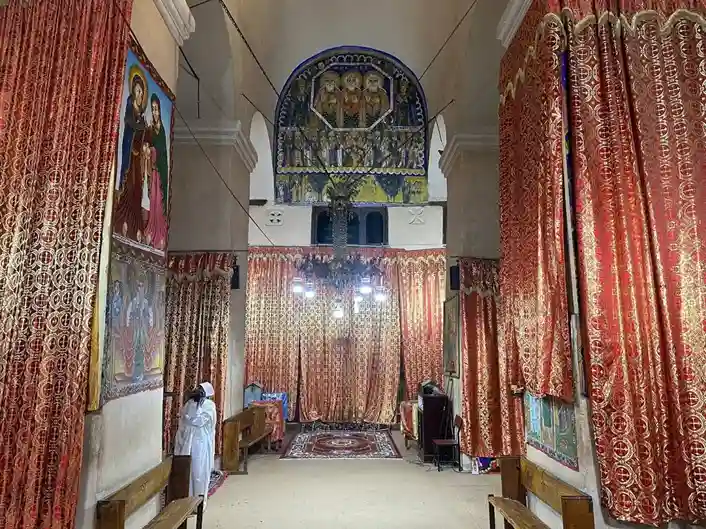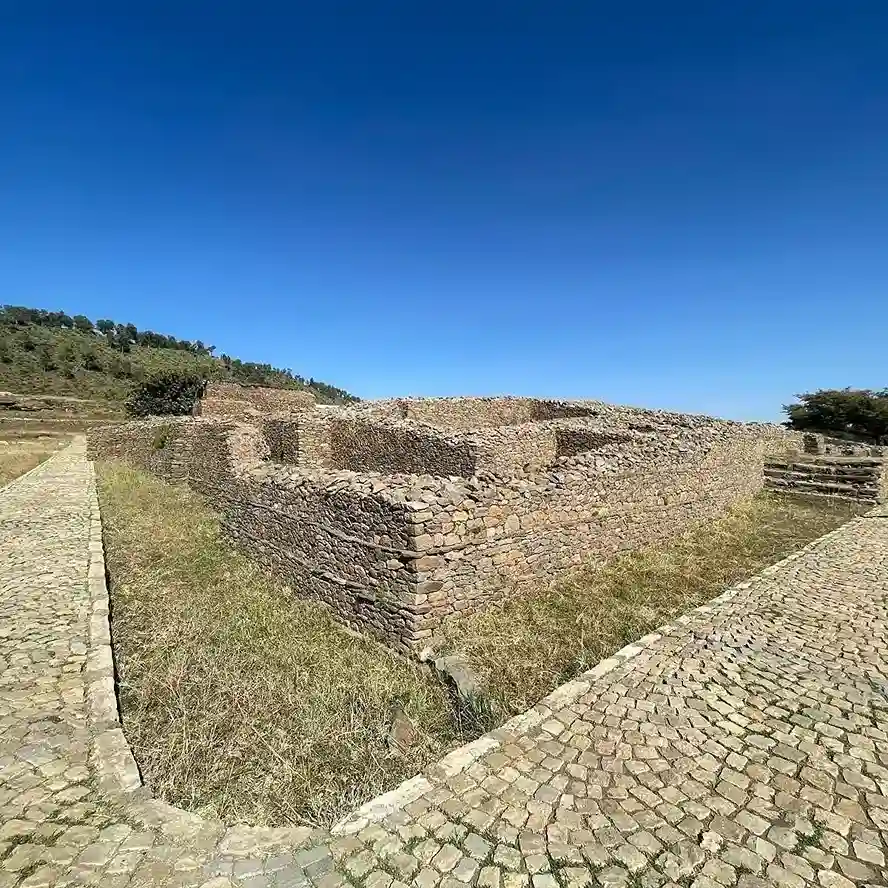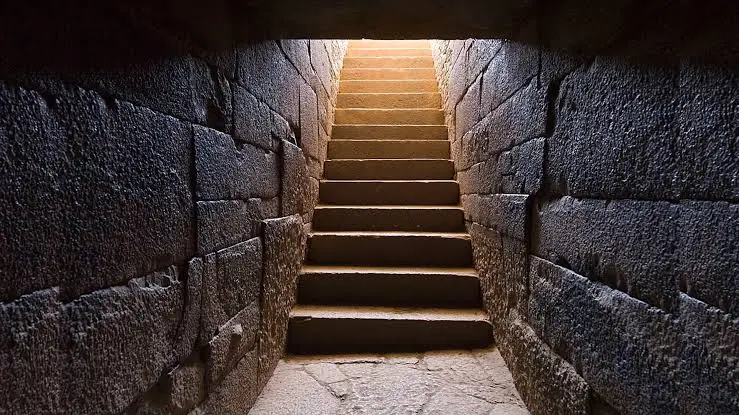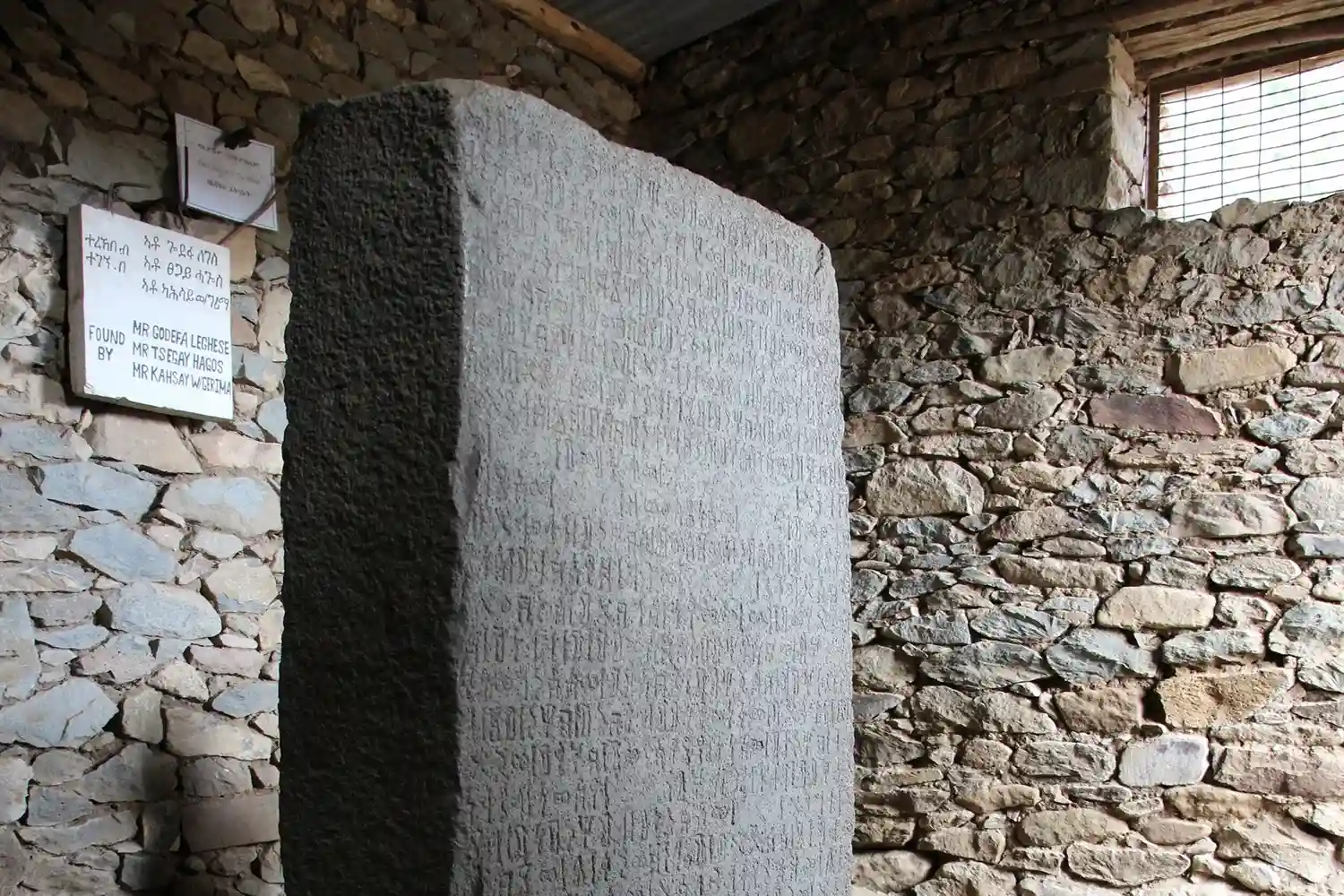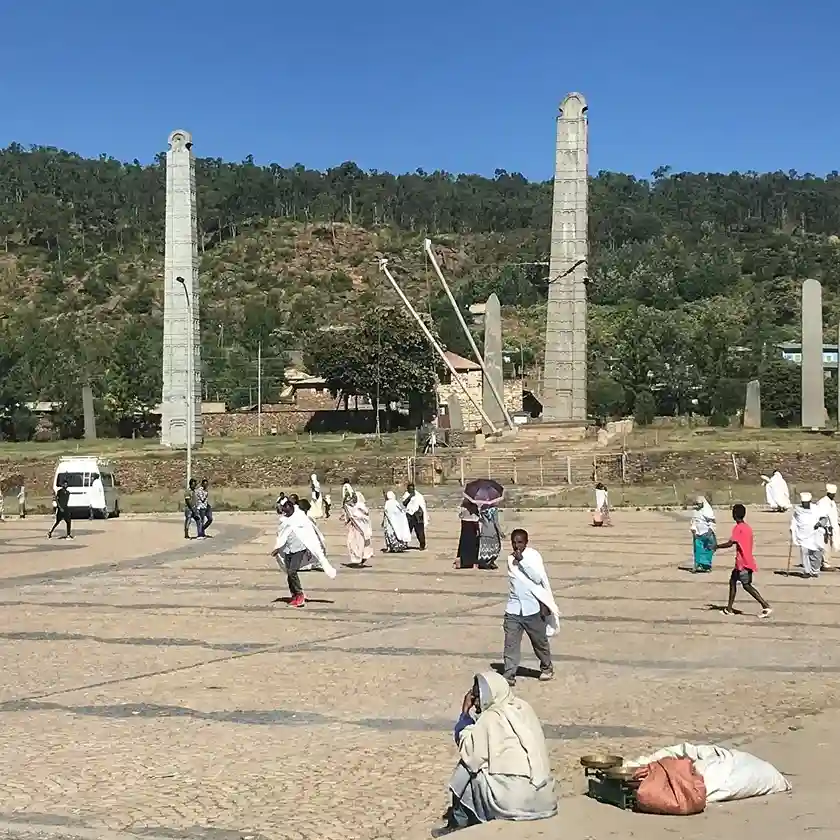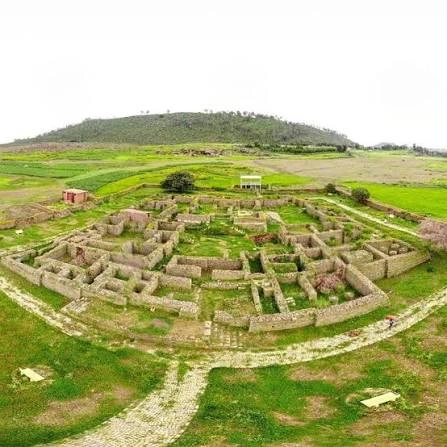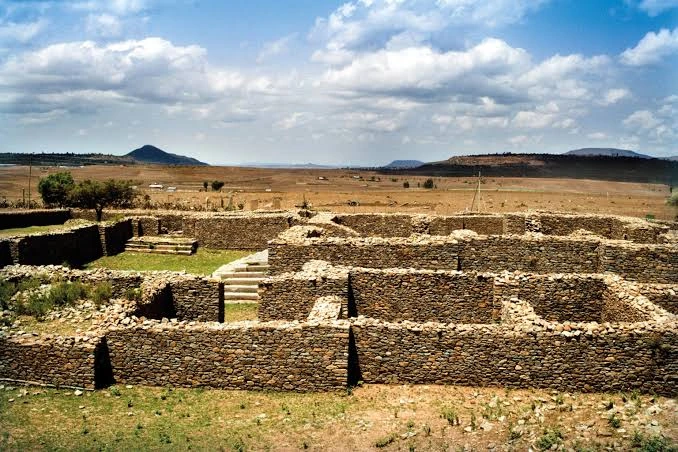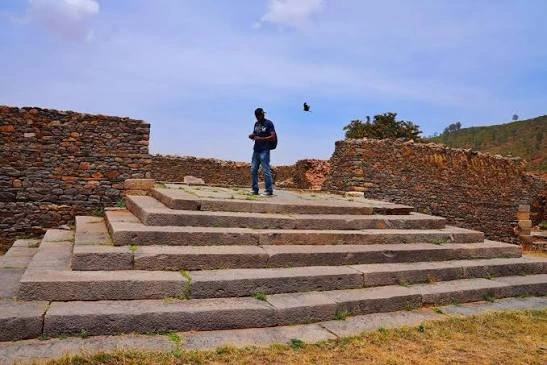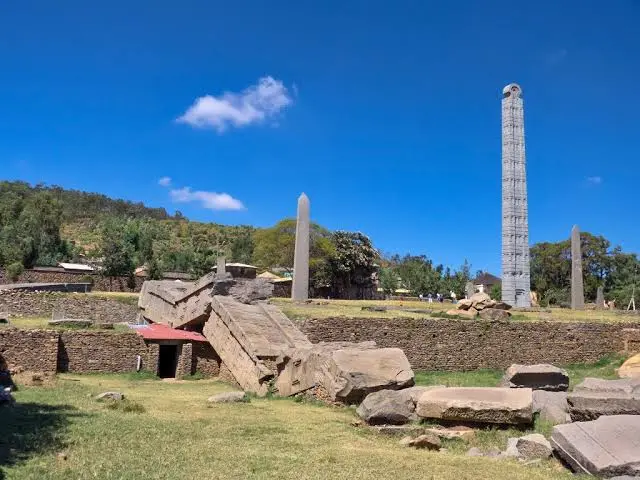
Axum, legendary birthplace of the Queen of Sheba, was the capital of the ancient Aksumite Empire — alongside Persia, Rome, and China, one of the four great powers of the ancient world, and a civilization that flourished nearly 3,000 years ago trading across the Red Sea as far as India. Its towering, intricately carved stelae still stand as monuments to that lost kingdom. As the spiritual home of the Ethiopian Orthodox Church, Axum is revered as the resting place of the original Ark of the Covenant, held within the sacred precinct of the Church of Our Lady Mary of Zion. The city is also credited with the origin of the Ge'ez alphabet, still used in Ethiopian Orthodox liturgy today, making Axum a living link to one of Africa's oldest continuous civilizations.
Best Time to Visit Best Time to VisitAlongside Persia, Rome, and China, the Kingdom of Aksum ranked as one of the four great powers of the ancient world. Its roots reach back to the Proto-Aksumite period around the 4th century BC, and by the 1st century AD it had grown into a formidable civilization centered on the city of Axum. Its rulers claimed sweeping imperial titles — King of Kings, King of Aksum, Himyar, Raydan, Saba, Salhen, Tsiyamo, Beja, and Kush — a reflection of just how far the kingdom's influence extended. Positioned on the major Red Sea trade routes, Aksum grew into a commercial powerhouse linking Rome, the Arabian Peninsula, Africa, and India, and its rulers minted their own gold, silver, and bronze coinage, making Aksum one of the first African states known to have issued its own currency.
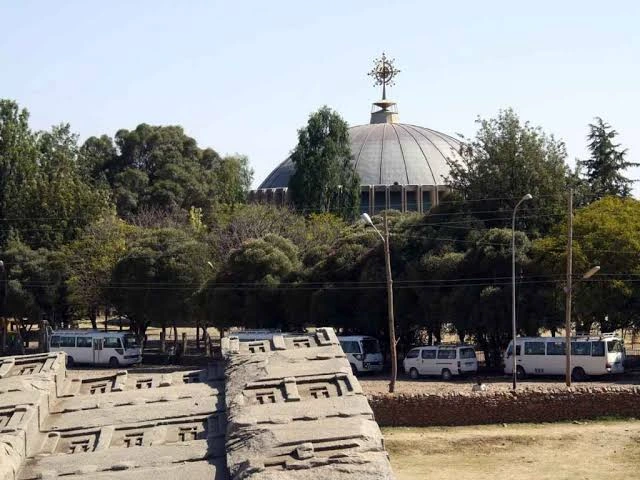
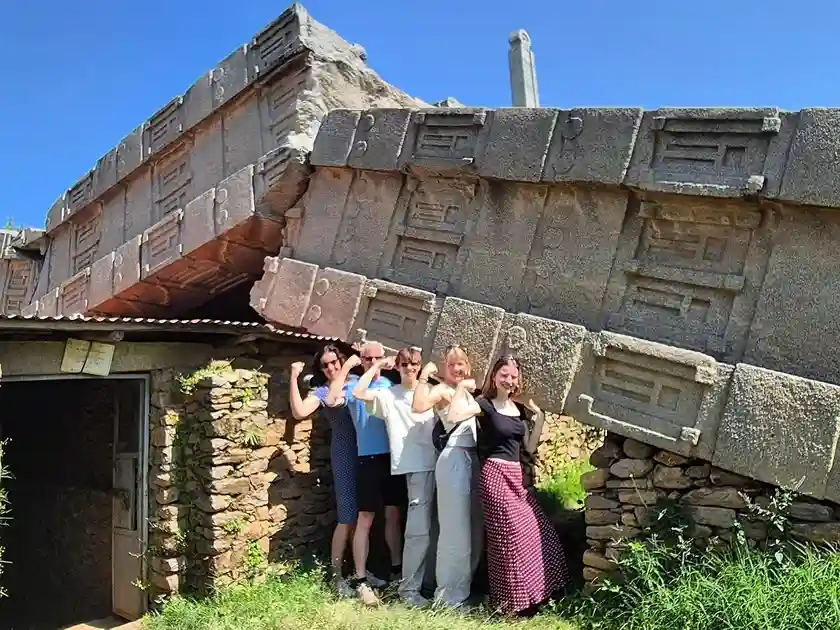
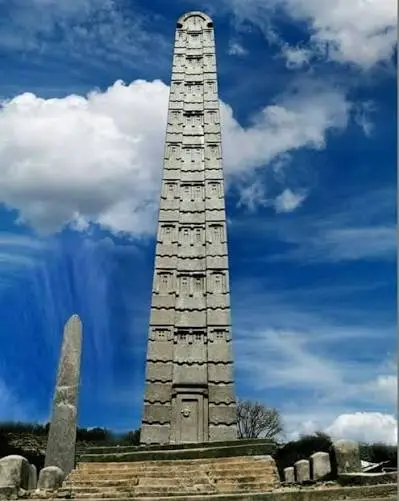
Aksum's reach extended over the declining Kingdom of Kush and deep into the affairs of the Red Sea region, with Aksumite forces eventually drawn into the politics of the Himyarite Kingdom in southern Arabia. Perhaps the empire's most visible legacy is its towering stone stelae and obelisks — massive granite monuments carved for religious and commemorative purposes in the centuries before Christianity arrived. The Great Stele of Axum, though it has since collapsed, is believed to have stood roughly 33 metres (108 feet) tall, making it one of the largest single-piece stone monuments ever raised anywhere in the world.
Everything changed under King Ezana in the 4th century AD, when Aksum embraced Christianity — becoming one of the first kingdoms anywhere to adopt the faith as a matter of state. Ezana's reign reshaped Aksumite culture, art, religion, and political identity for centuries to come. Centuries later, as Islam rose to prominence, Aksum played its own quiet role in that history too: in the 7th century, early Muslims fleeing persecution in Mecca found refuge here, in what is remembered as the First Hijra — one of the earliest recorded encounters between the Islamic community and a Christian kingdom. This same period is where Ge'ez, one of Africa's oldest written languages, took root; its script would later form the basis for both Tigrinya and Amharic.
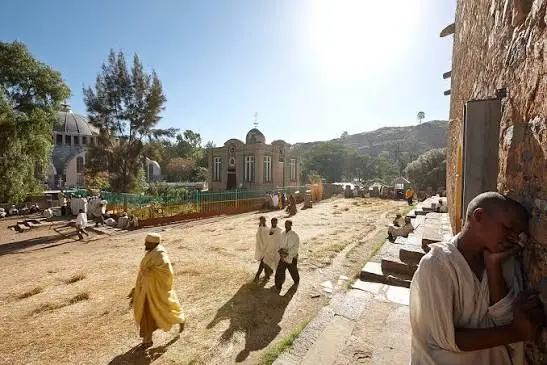
Aksum's religious significance in Ethiopia runs just as deep. The Church of Our Lady Mary of Zion is traditionally believed to house the Ark of the Covenant, and the city and its surroundings are woven into the traditions of the Queen of Sheba. Between its monumental architecture, its early written language, its role in international trade and coinage, and its early embrace of Christianity, the Aksumite Empire stands among the great civilizations of ancient Africa — and its legacy still shapes the history, culture, and traditions of the Horn of Africa today.
Because Nigisti doesn't just plan your trip to Axum — she shares it with you personally.
Our founder, Nigisti Solomon, grew up in Northern Ethiopia, home to the ancient Kingdom of Axum. She brings a lifetime of personal connection to this region's history, faith, and living traditions.
You'll always know exactly what your journey to Axum costs and where every dollar goes. Nigisti personally reviews every itinerary, so pricing stays clear, honest, and fair from start to finish.
Questions before exploring the ancient stelae or sacred church grounds? You'll always be able to reach Nigisti or a trusted member of her team directly, because your experience in Axum matters to us.
Everything you need to know about visiting Axum with Africa Tour Guide.
Continue your journey through Ethiopia's Historic Route with these other Africa Tour Guide favorites.

12th-century rock-hewn churches carved to mirror Jerusalem.

Climb to breathtaking cliffside churches like Abune Yemata Guh, carved into the sheer rock faces of Tigray.
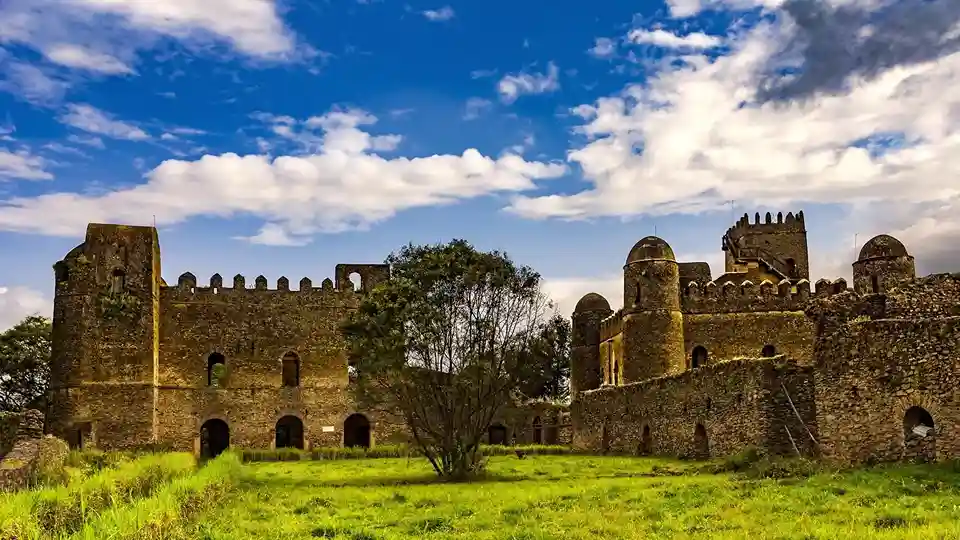
Explore the medieval castles of ‘Africa's Camelot,’ where royal history comes alive within Fasil Ghebbi's ancient walls.
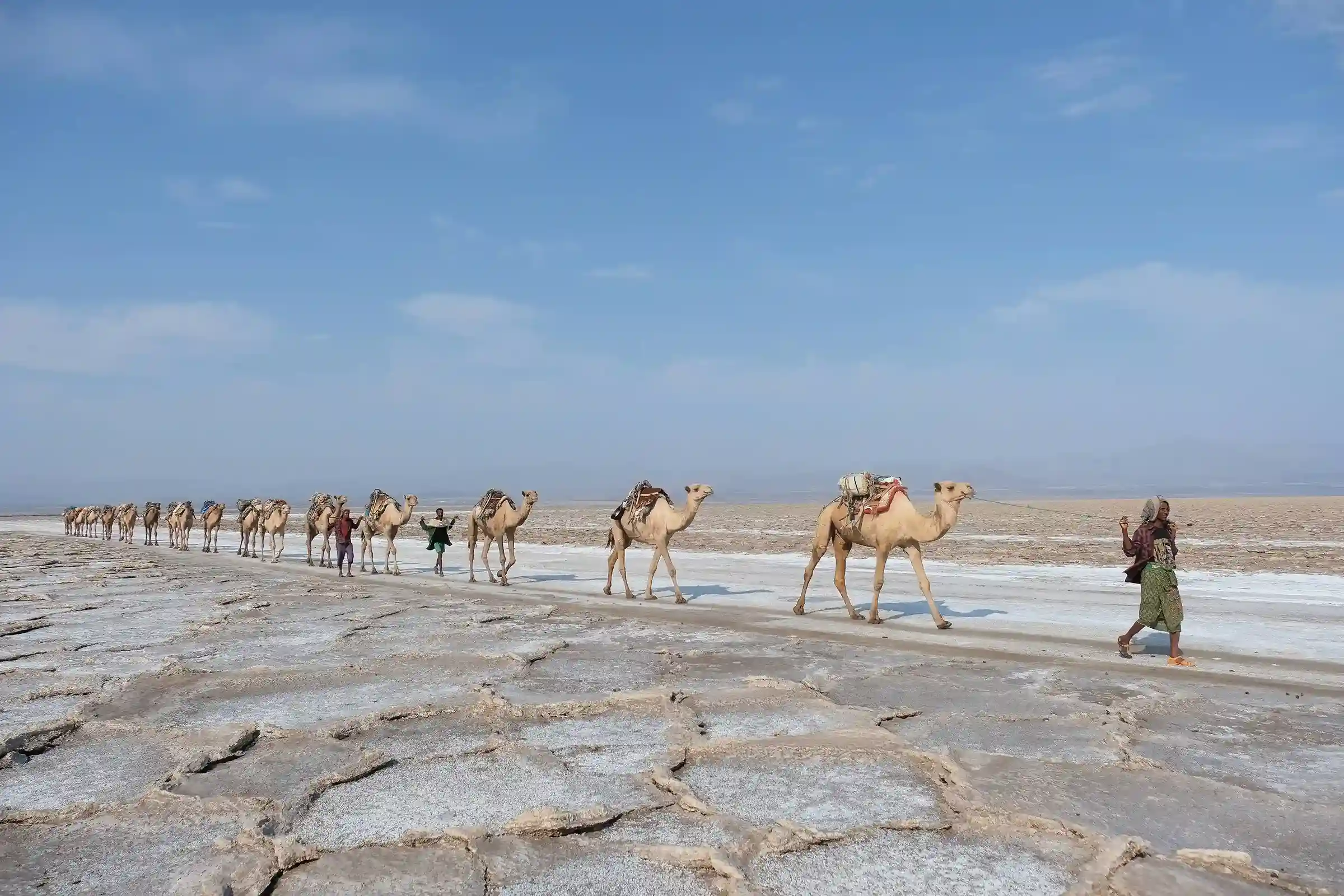
Venture into the otherworldly Danakil Depression, home to bubbling sulfur springs and one of the hottest places on Earth.