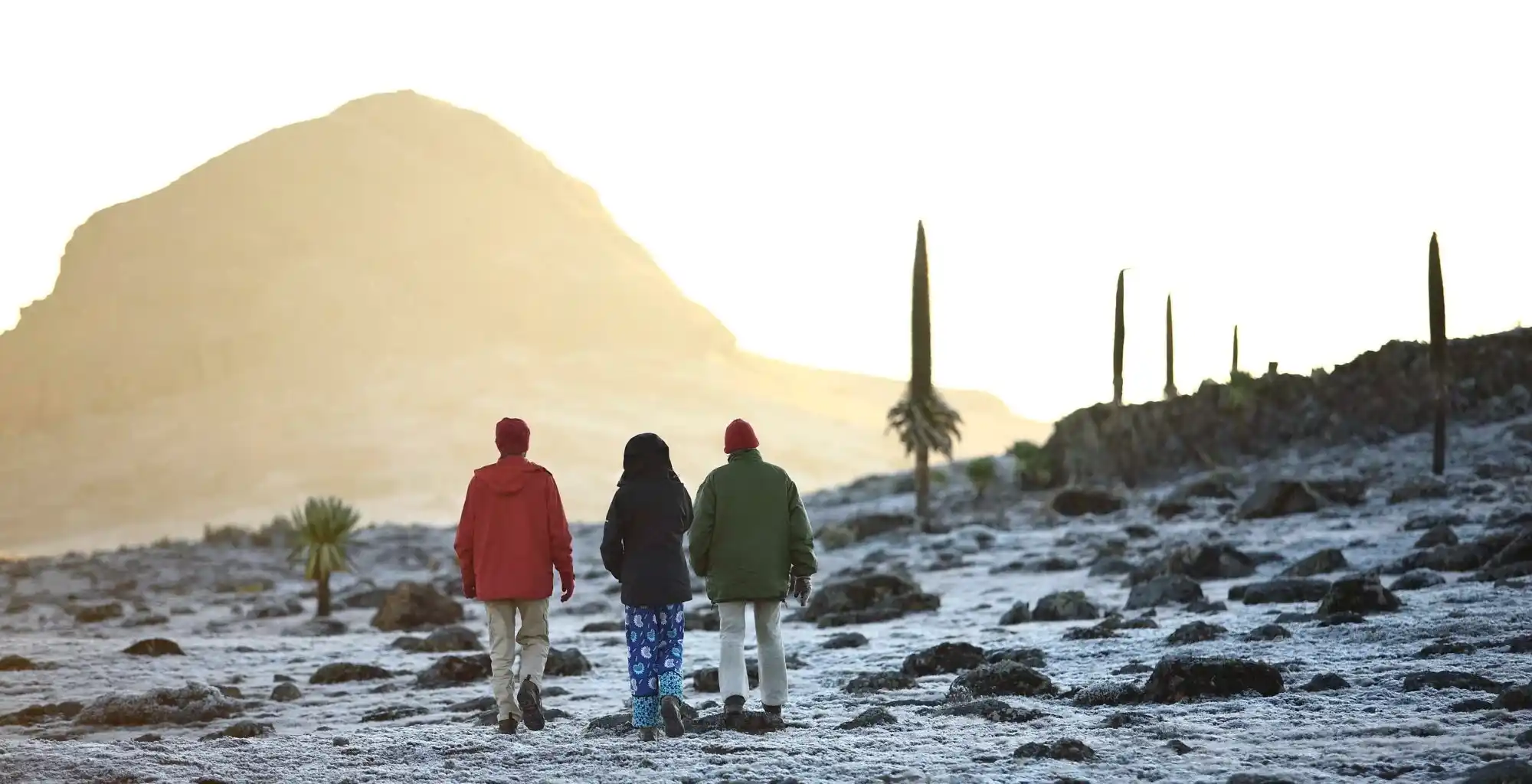
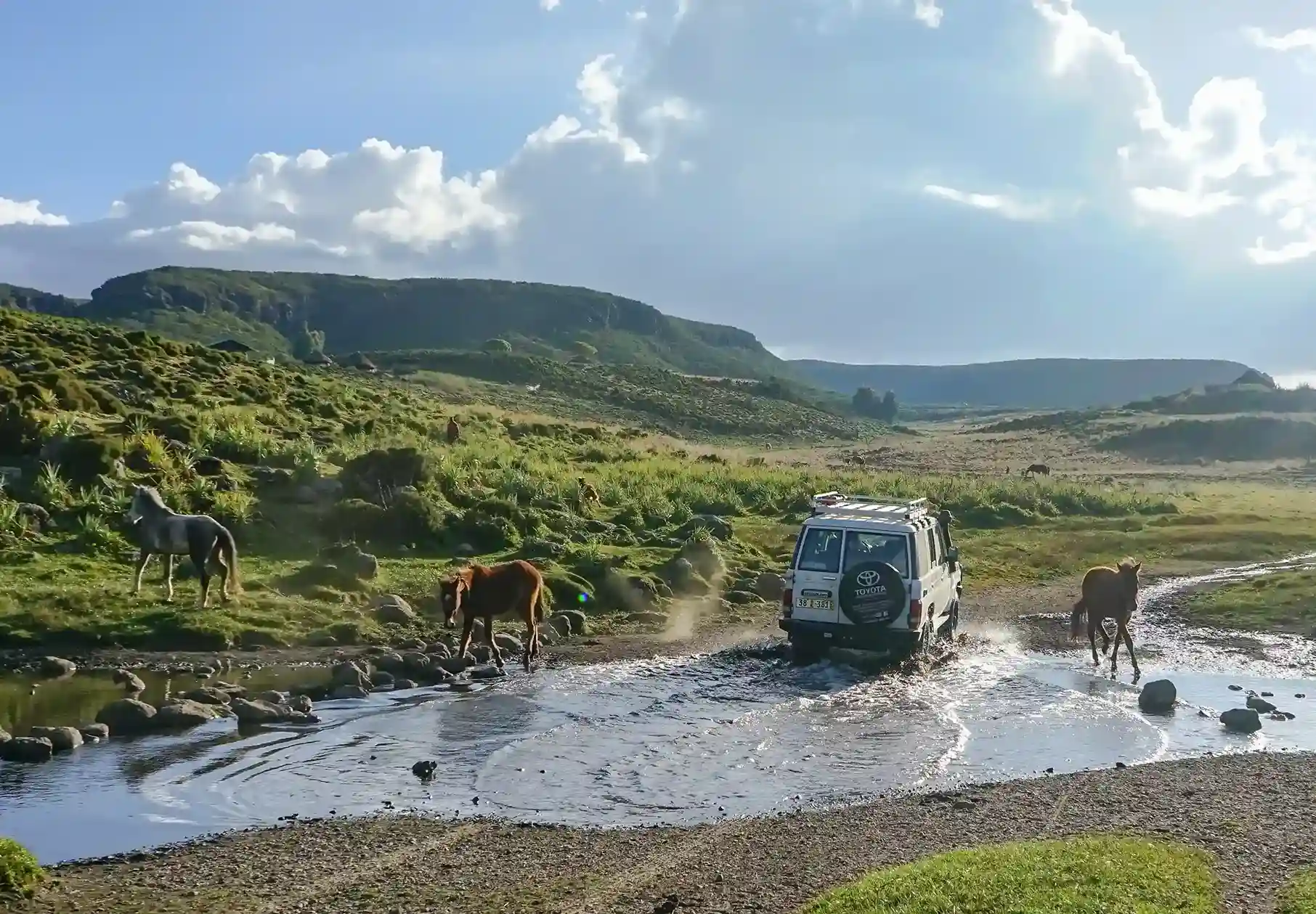
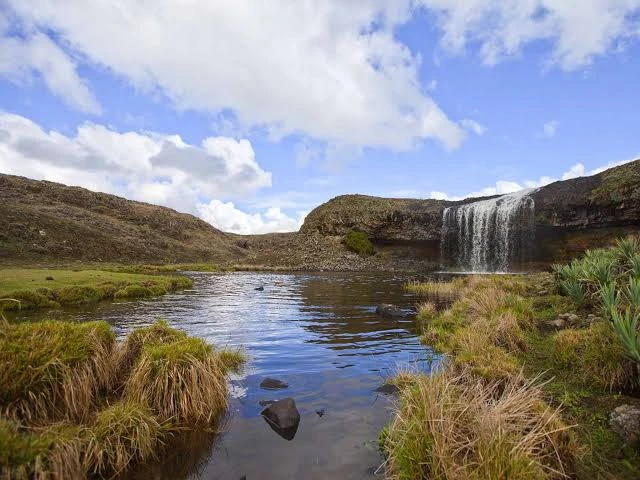
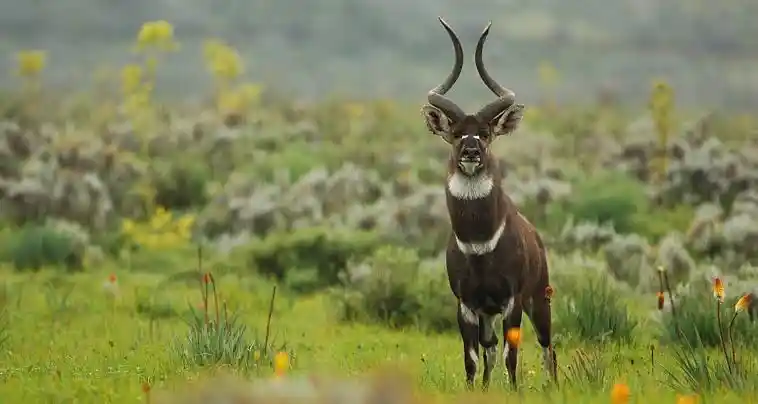
Bale Mountains National Park is Ethiopia's most biodiverse protected area, a vast afro-alpine wilderness rising to the Sanetti Plateau at over 4,000 meters. This otherworldly landscape of giant lobelias and volcanic lakes is home to the Ethiopian wolf, the rarest canid on Earth, alongside the endemic mountain nyala and more bird species than anywhere else in the country. From high-altitude moorland to the dense Harenna Forest below, Bale offers a side of Ethiopia few travelers ever see.
Best Time to Visit Best Time to VisitBale Mountains National Park sits in southeastern Ethiopia and packs an unusual range of landscapes into one protected area — the high-altitude Sanetti Plateau, extending above 4,000 meters, alongside glacial lakes, wetlands, volcanic mountains, grasslands, forests, and moorlands. Its highest point, Tullu Deemtu, rises to 4,377 meters, while the park's southern slopes drop away into the vast, biodiverse Harenna Forest. That combination of scenery and natural beauty earned the park a place on the UNESCO World Heritage List in September 2023, recognized for its extraordinary landscape and the rare, endemic species that depend on it.
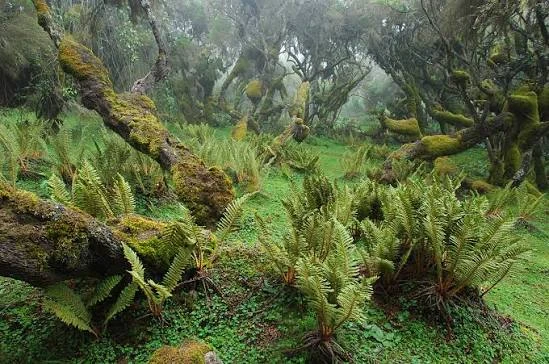
The park unfolds across several distinct ecosystems, each supporting its own community of wildlife. The northern woodlands, thick with Hagenia and juniper, shelter the mountain nyala and Menelik's bushbuck, while the Web valleys are best known for the endangered Ethiopian wolf and hold the highest concentration of rodent species found anywhere in the country. Higher up, the Sanetti Plateau's alpine lakes support more Ethiopian wolves, rodents, and birds of prey, and the surrounding Erica belt shifts with altitude — Erica arborea dominating lower down, Erica trimera taking over higher up. Lower still, the Harenna Forest holds tropical evergreen forest, bamboo forest, and cloud forest all within the same park boundary.
Few places in Ethiopia pack in this much biodiversity. The park is home to up to 1,600 species of vascular plants, a large share of them endemic, and its most famous resident may be the Ethiopian wolf — Bale holds the largest population of the species anywhere, somewhere between 300 and 350 individuals, making it one of the most important places on Earth for its conservation. The Afroalpine zone also supports the large, locally endemic Bale giant mole-rat, an important prey species for the wolf, alongside the endemic Bale shrew, Starck's hare, warthogs, bushbucks, and several antelope species. Down in the Harenna Forest, an entirely different community takes over: colobus monkeys, baboons, bushpigs, giant forest hogs, hyenas, and leopards moving through a landscape unlike anything on the plateau above.
Birdlife is just as remarkable, with over 363 species recorded across the park — seven of them found nowhere else in Ethiopia, and several classed as globally endangered. That range reflects the park's own diversity, from low-altitude grassland and forest all the way up to high moorland and alpine lakes.
Bale's significance reaches well beyond its wildlife. Over forty tributaries rise in these mountains, feeding major rivers including the Wabe-Shebelle, Web, Dumal, Welmel, and Ganale, while the park's wetlands and lakes store water and release it steadily rather than all at once — a natural buffer that keeps rivers flowing through the dry season. More than 30 million people across southeastern Ethiopia, Somalia, and the surrounding region depend on that water for agriculture, livestock, and daily life. It's this dual role — a refuge for some of Africa's rarest wildlife, and a water tower sustaining tens of millions of people beyond the park's borders — that makes the Bale Mountains one of the most vital landscapes in the country.
Because Nigisti doesn't just plan your trip — she shares it with you personally.
Nigisti and her team have spent years organizing treks into Ethiopia's remote highlands, including Bale's Sanetti Plateau. We know the routes, the rangers, and exactly where to find the Ethiopian wolf.
You'll always know exactly what your Bale Mountains trek costs, from park fees to ranger escorts and 4x4 transport. Nigisti personally reviews every itinerary, so pricing stays clear, honest, and fair from start to finish.
Questions about altitude, wildlife sightings, or trail conditions before you go? You'll always be able to reach Nigisti or a trusted member of her team directly, because your journey into Bale matters to us.
Everything you need to know about trekking the Bale Mountains with Africa Tour Guide.
Continue your journey through Ethiopia with these other Africa Tour Guide favorites.
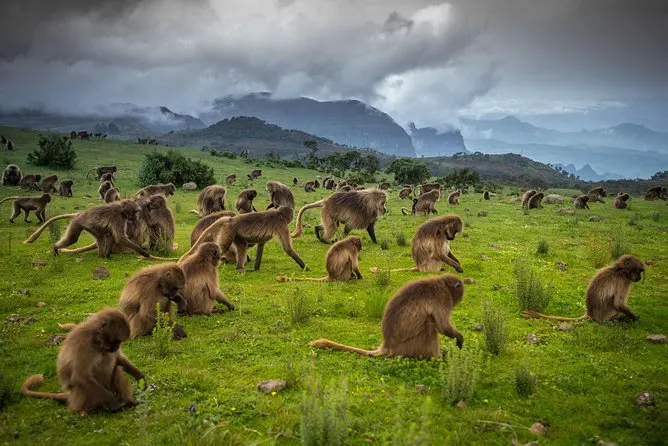
Jagged escarpments, Gelada baboons, and the endemic Walia ibex on the ‘Roof of Africa.’
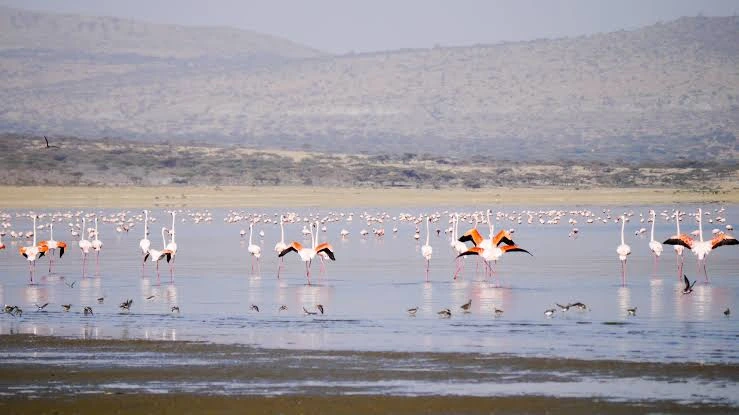
Dramatic gorges, hot springs, and the Beisa oryx of the Great Rift Valley.
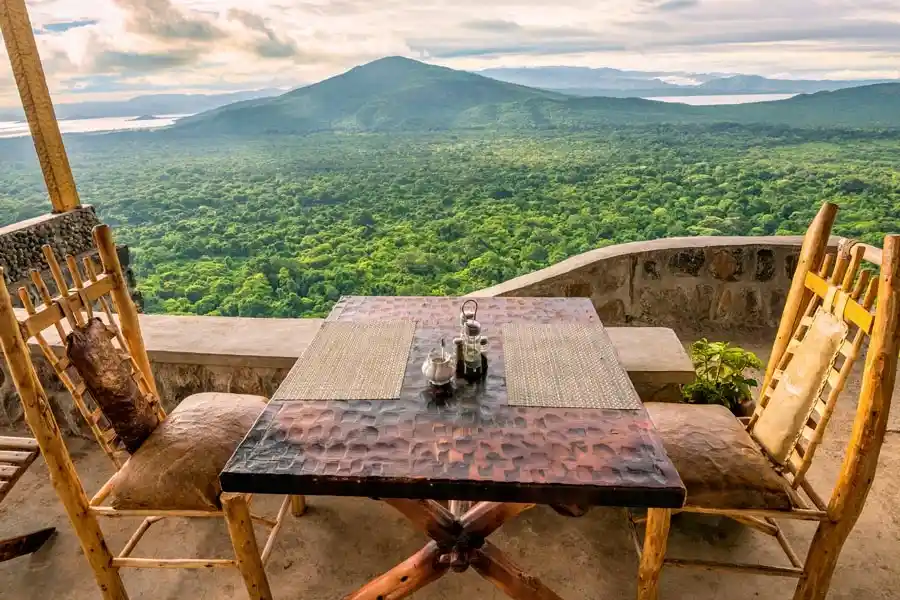
Gateway to Nechisar National Park's twin Rift Valley lakes.
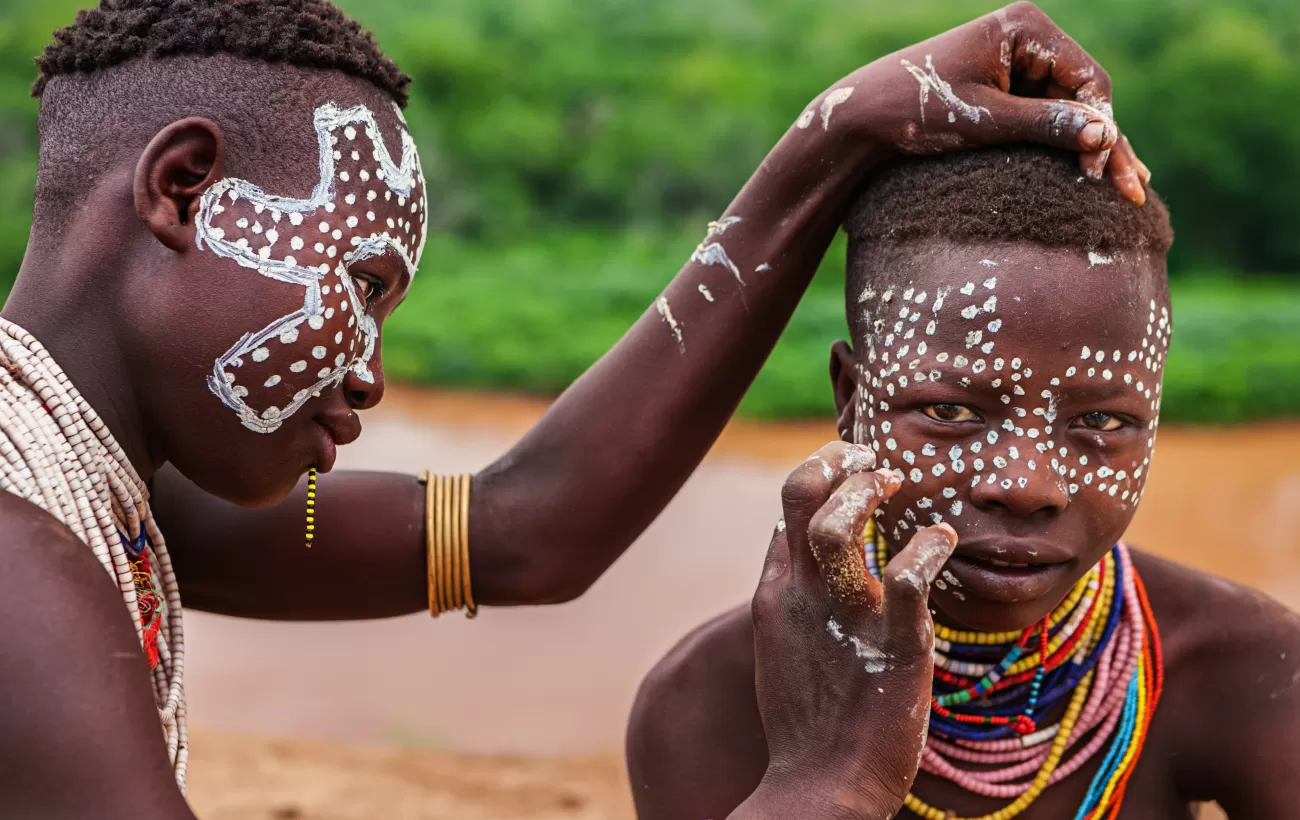
Meet the Hamer, Mursi, and Karo peoples in Ethiopia's living cultural museum.