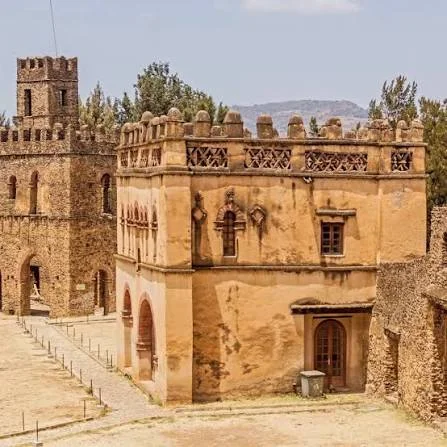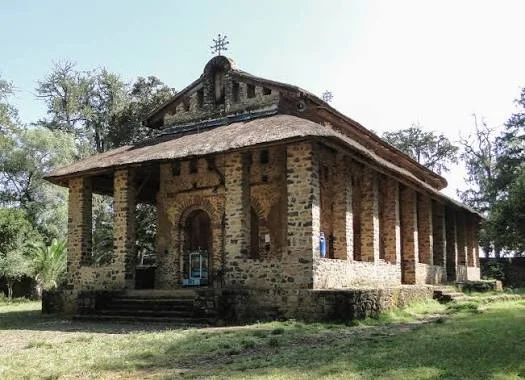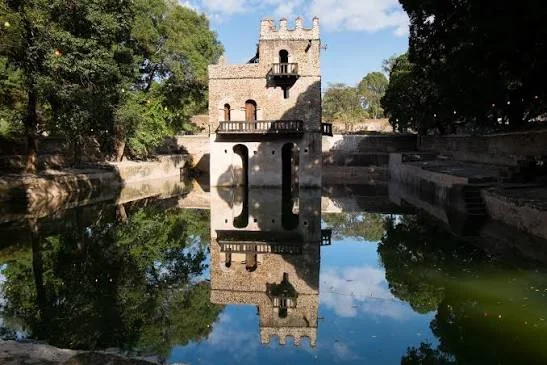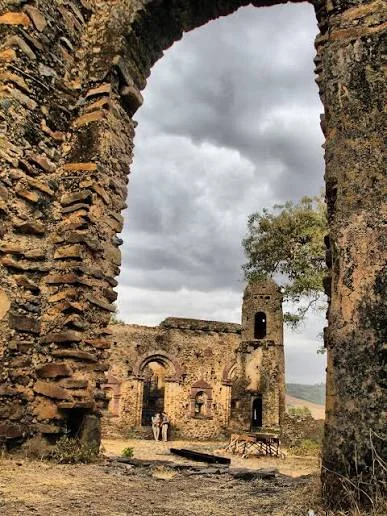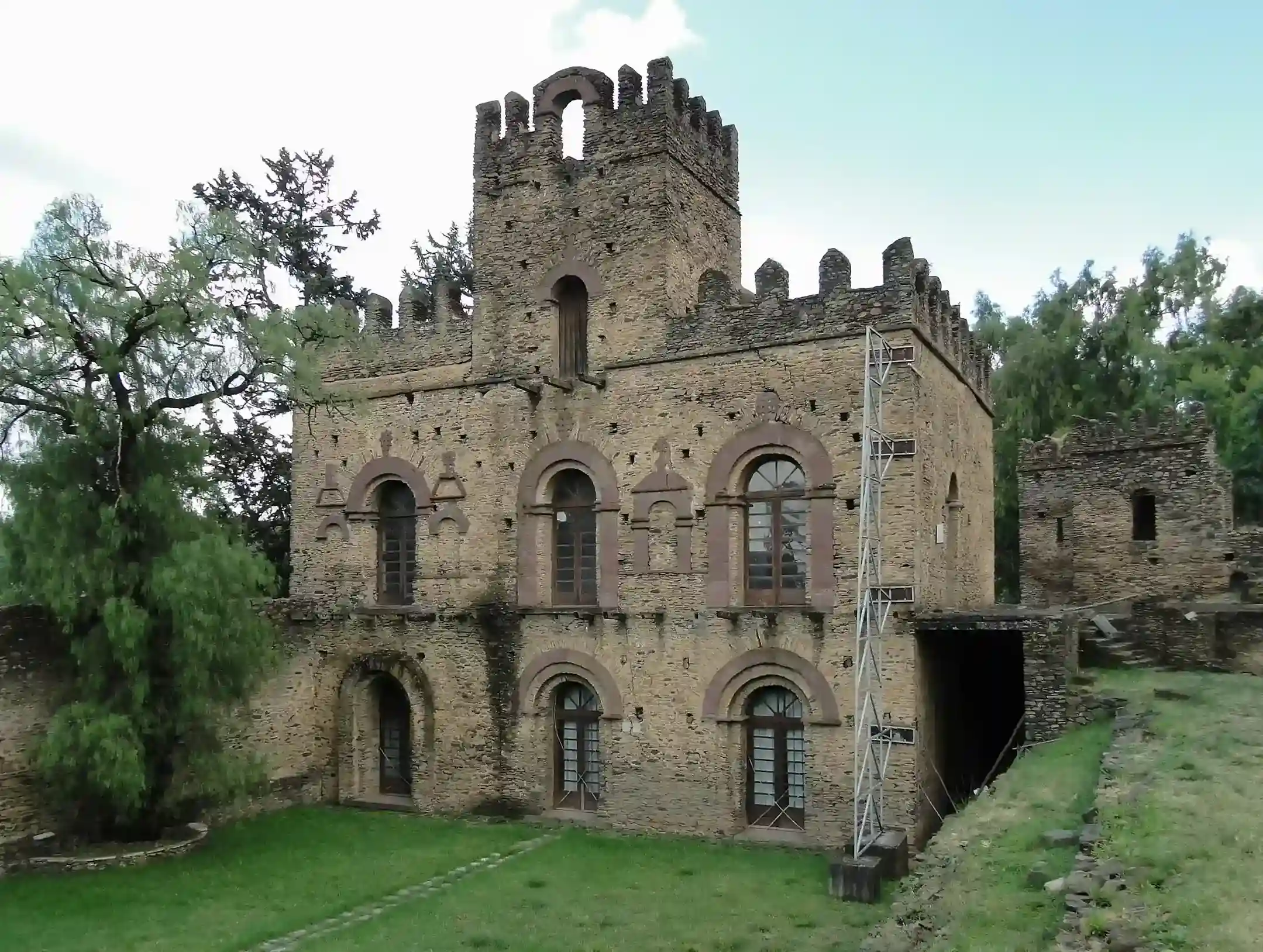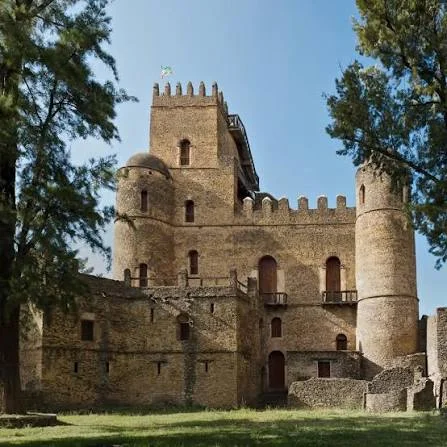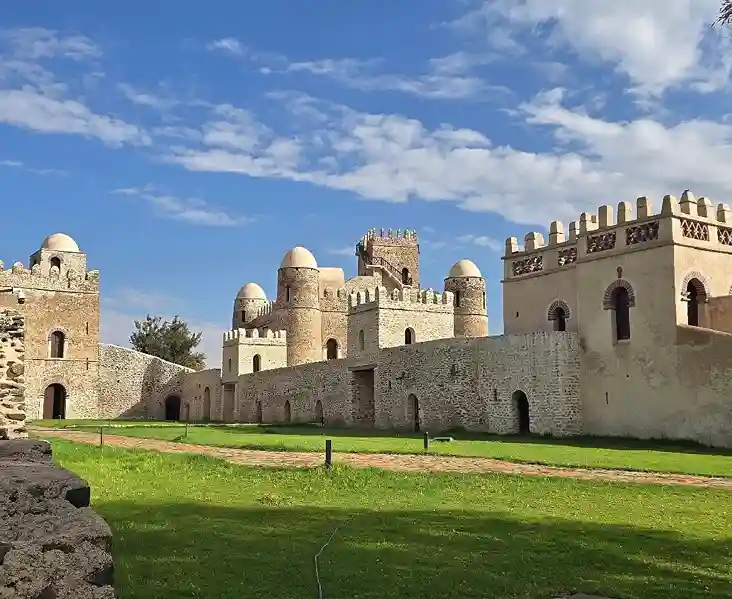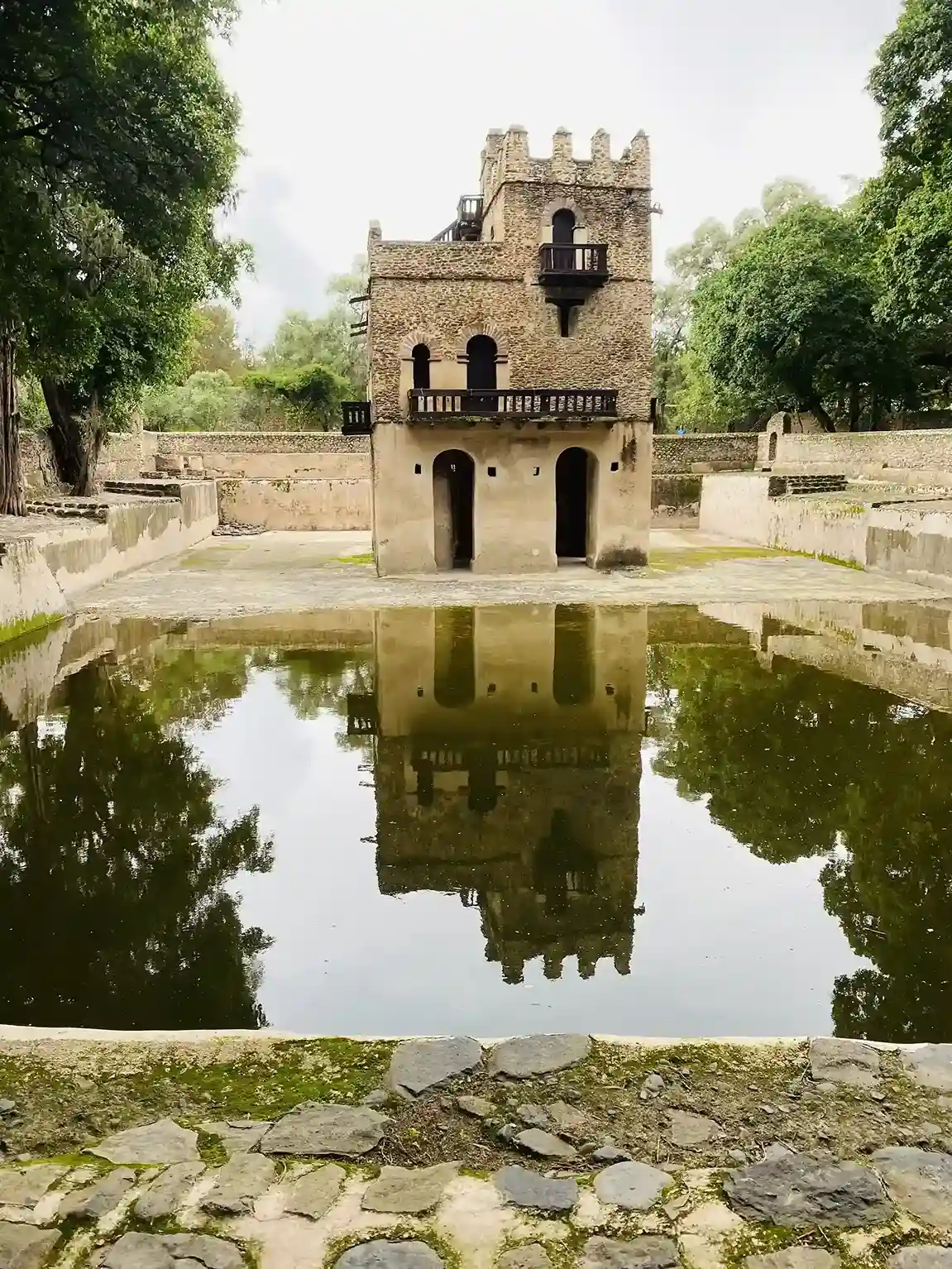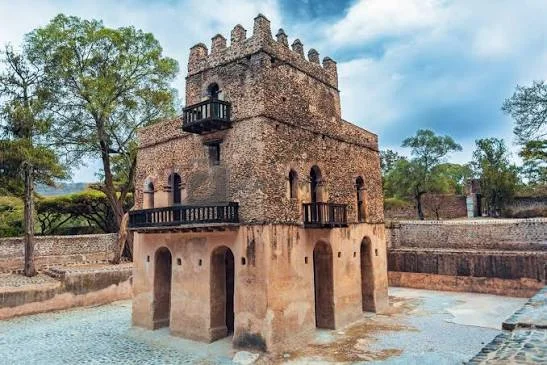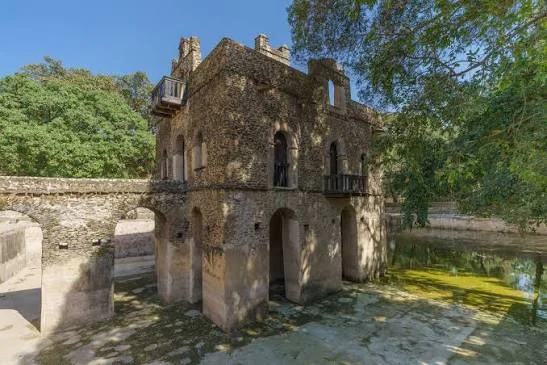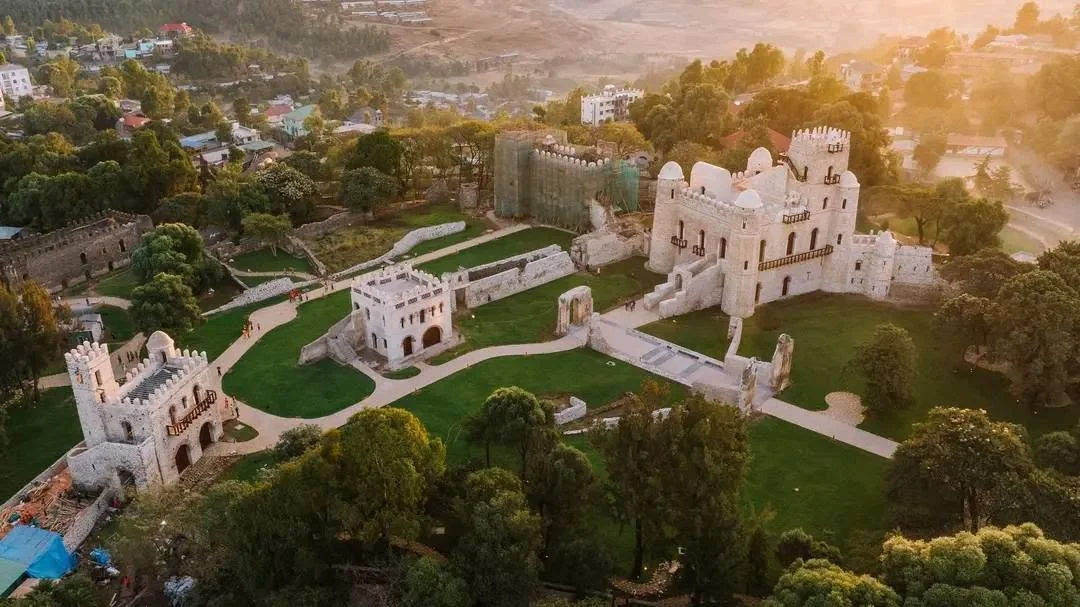
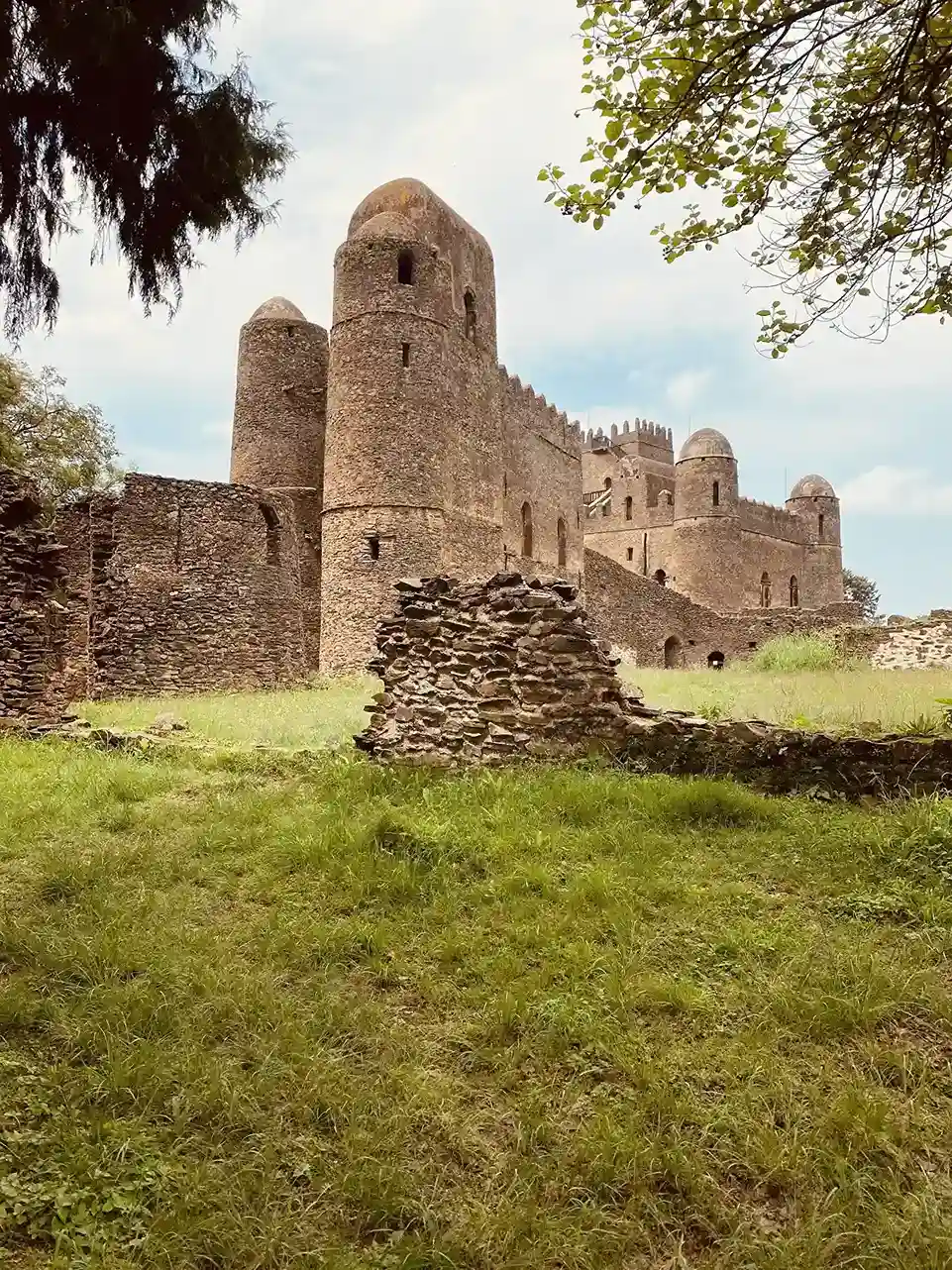
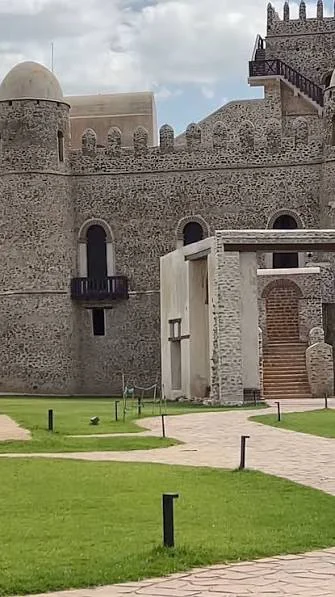
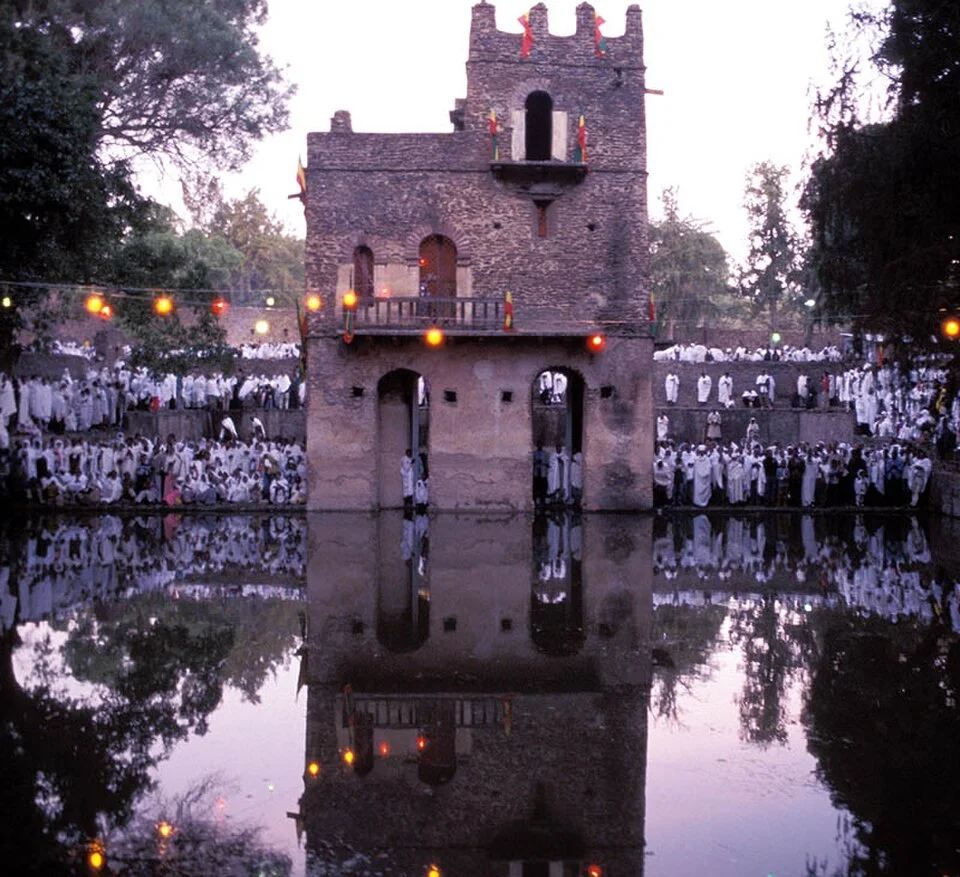
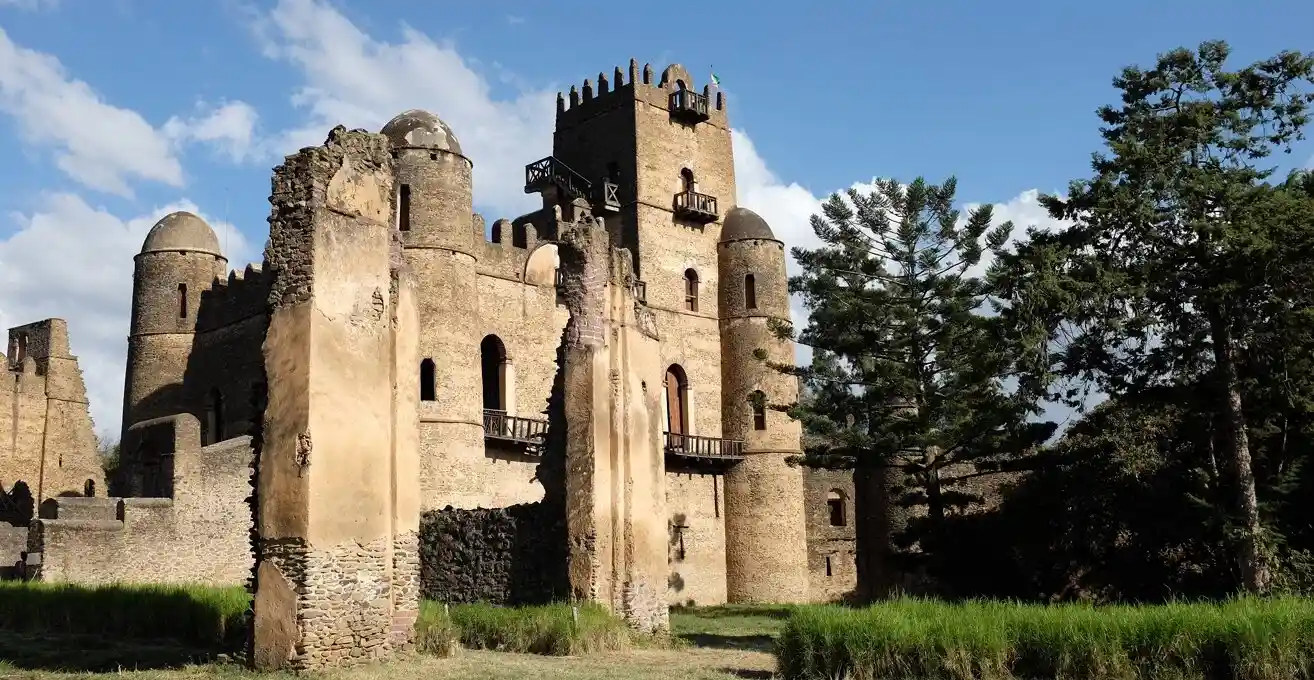
Gondar, often called "Africa's Camelot," was the 17th-century capital of the Ethiopian Empire and remains one of the country's most visually stunning historical cities. Its walled Royal Enclosure, Fasil Ghebbi, houses a cluster of medieval stone castles built by Emperor Fasilides and his successors, blending Ethiopian, Portuguese, and Indian architectural styles. Beyond the castles, Gondar's churches are renowned for their vivid, hand-painted religious art, most famously the angel-covered ceiling of Debre Berhan Selassie. Together they make Gondar a living showcase of imperial Ethiopian history.
Best Time to Visit Best Time to VisitGondar was founded around 1636, when Emperor Fasiladas chose the site for his first permanent capital. Sitting on a plateau roughly 2,300 meters above sea level and ringed by seven hills, the city lies 65 kilometers north of Lake Tana, reachable today by a two-day road journey from Addis Ababa or by a short flight into the nearby Atse Tewodros Airport, 17 kilometers to the south. It has since grown into one of Ethiopia's largest cities, home to more than 800,000 people, with a wealth of Gondarine architecture, religious monuments, and public buildings from the Italian occupation era still standing for visitors to explore.
The city's name carries several competing legends. In one, a hermit advised Fasiladas to found his capital at a place whose name began with the letter "G" — and Gondar fit the bill. In another, two brothers from Quiha in Enderta, Tigray, settled this once-uncleared forest and fell into a dispute over it; a mediator's verdict, "gon ider" ("live side by side"), contracted over time into "Gondar." A third holds that Fasiladas dreamed he should build where a place-name began with "G," then followed the roar of a lion to this very site. The name is also traced to the Ge'ez phrase "Gunde Hager" (ጉንደ ሃገር), meaning the head, or horn, of a country.
At the heart of the city stands the Royal Enclosure, Fasil Ghebbi — six castles and their adjoining buildings, plus three churches, spread across seven hectares. Fasiladas broke ground here in 1636, continuing a tradition begun by his father, Emperor Susenyos, who had already established permanent capitals at Danqaz and Azezo. Eight generations of Ethiopian emperors after Fasiladas added their own palaces to the site, and the compound remained in active use until the close of the 18th century, when the seat of power shifted elsewhere in the empire.
Gondar was also a major center of religious life: after the Catholic Jesuit era under his father's reign, Fasiladas worked to reestablish and restore Orthodox Christian churches across the city. At the same time, Gondar's position made it a hub for international trade, with routes running through Sudan, Egypt, and Eritrea to the Red Sea. That layered history — imperial capital, religious center, and trading crossroads all at once — is what still gives Gondar's stone castles and painted churches their weight today.
Because Nigisti doesn't just plan your trip to Gondar — she shares it with you personally.
Our founder, Nigisti Solomon, grew up in Northern Ethiopia, home to Gondar's medieval castles and imperial history. She brings a lifetime of personal connection to this region's history, faith, and living traditions.
You'll always know exactly what your journey to Gondar costs and where every dollar goes. Nigisti personally reviews every itinerary, so pricing stays clear, honest, and fair from start to finish.
Questions before exploring the Royal Enclosure or Debre Berhan Selassie? You'll always be able to reach Nigisti or a trusted member of her team directly, because your experience in Gondar matters to us.
Everything you need to know about visiting Gondar with Africa Tour Guide.
Continue your journey through Ethiopia's Historic Route with these other Africa Tour Guide favorites.
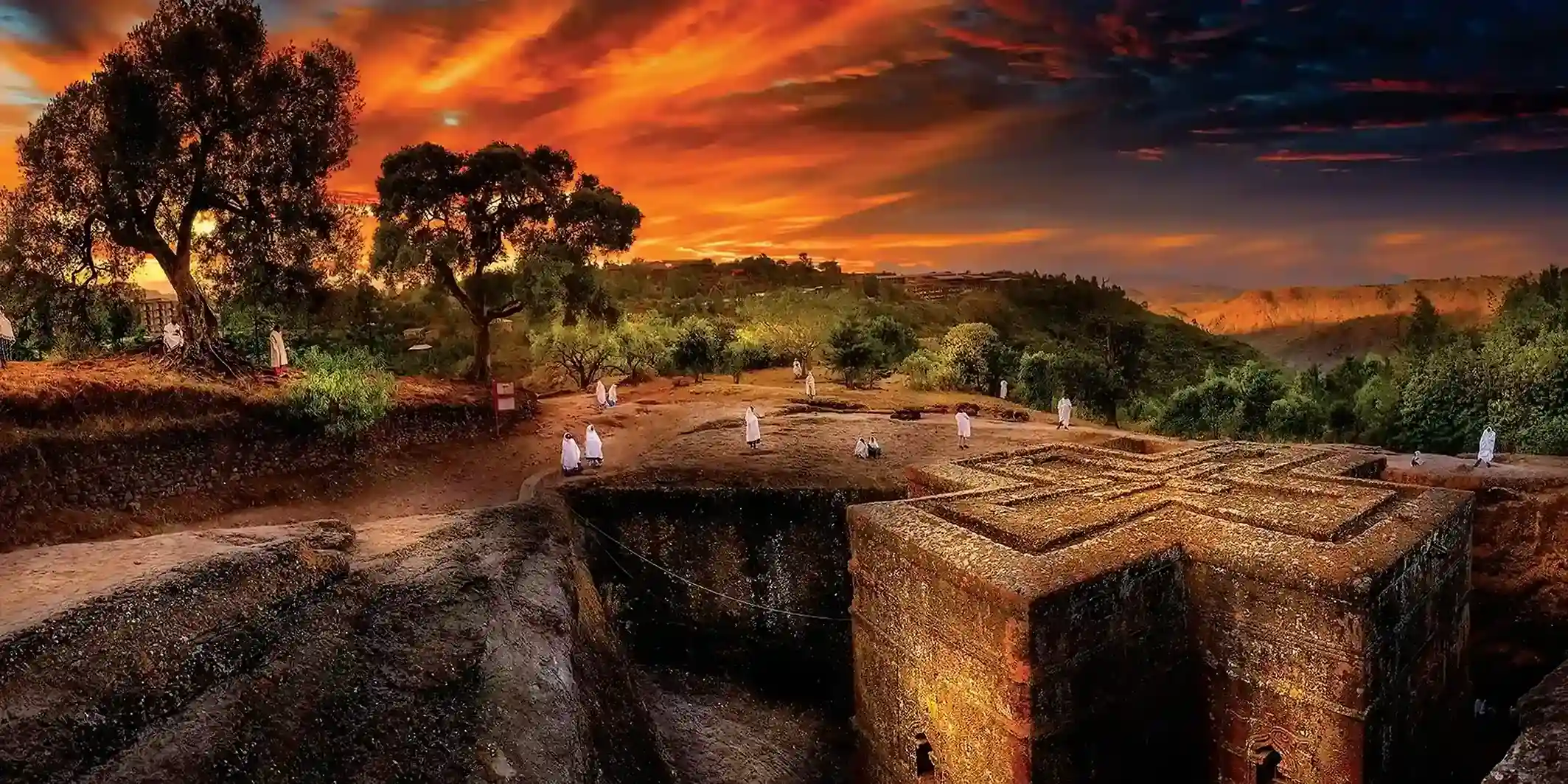
12th-century rock-hewn churches carved to mirror Jerusalem.
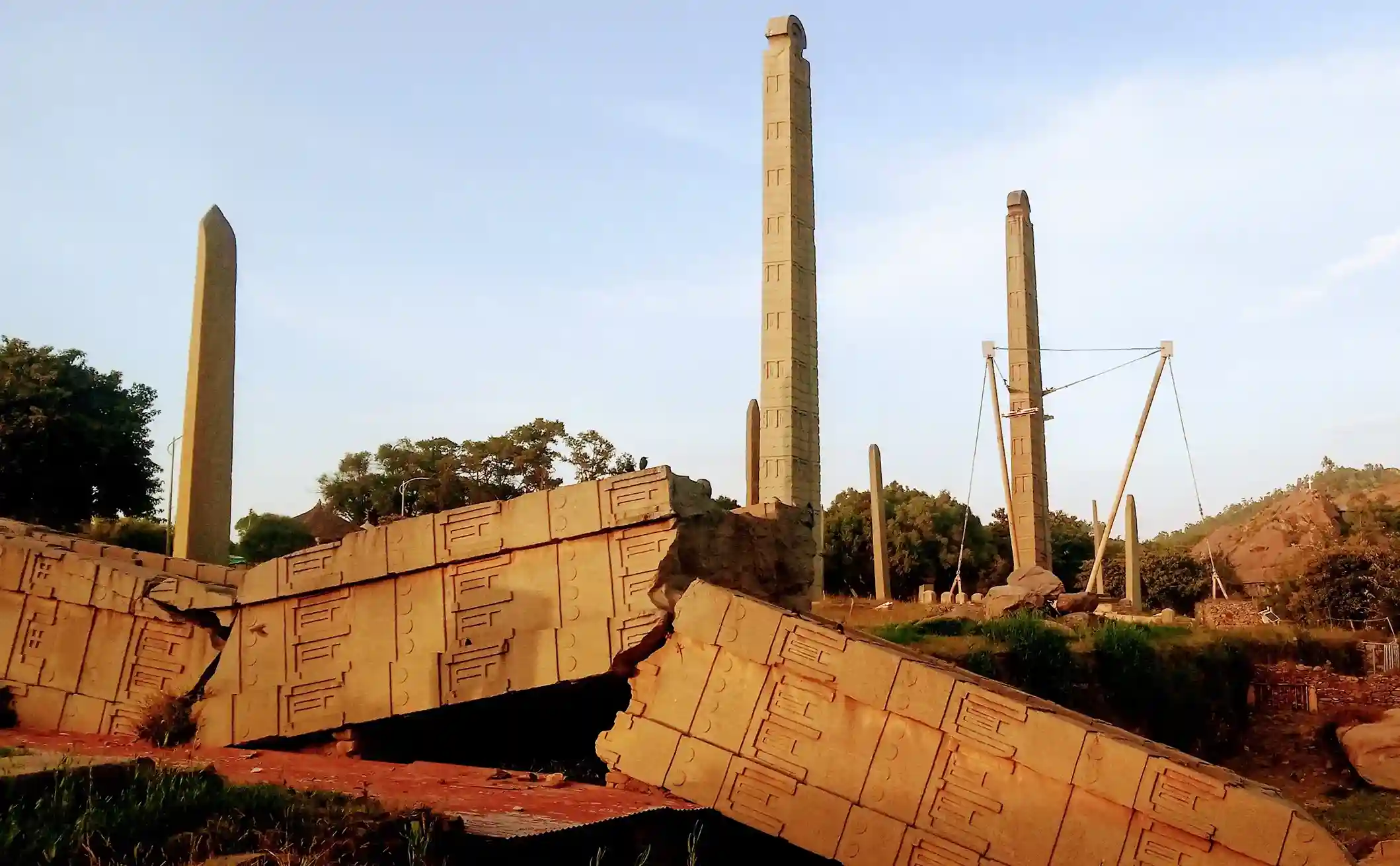
Ancient obelisks, the Ark of the Covenant legend, and Axumite Empire ruins.
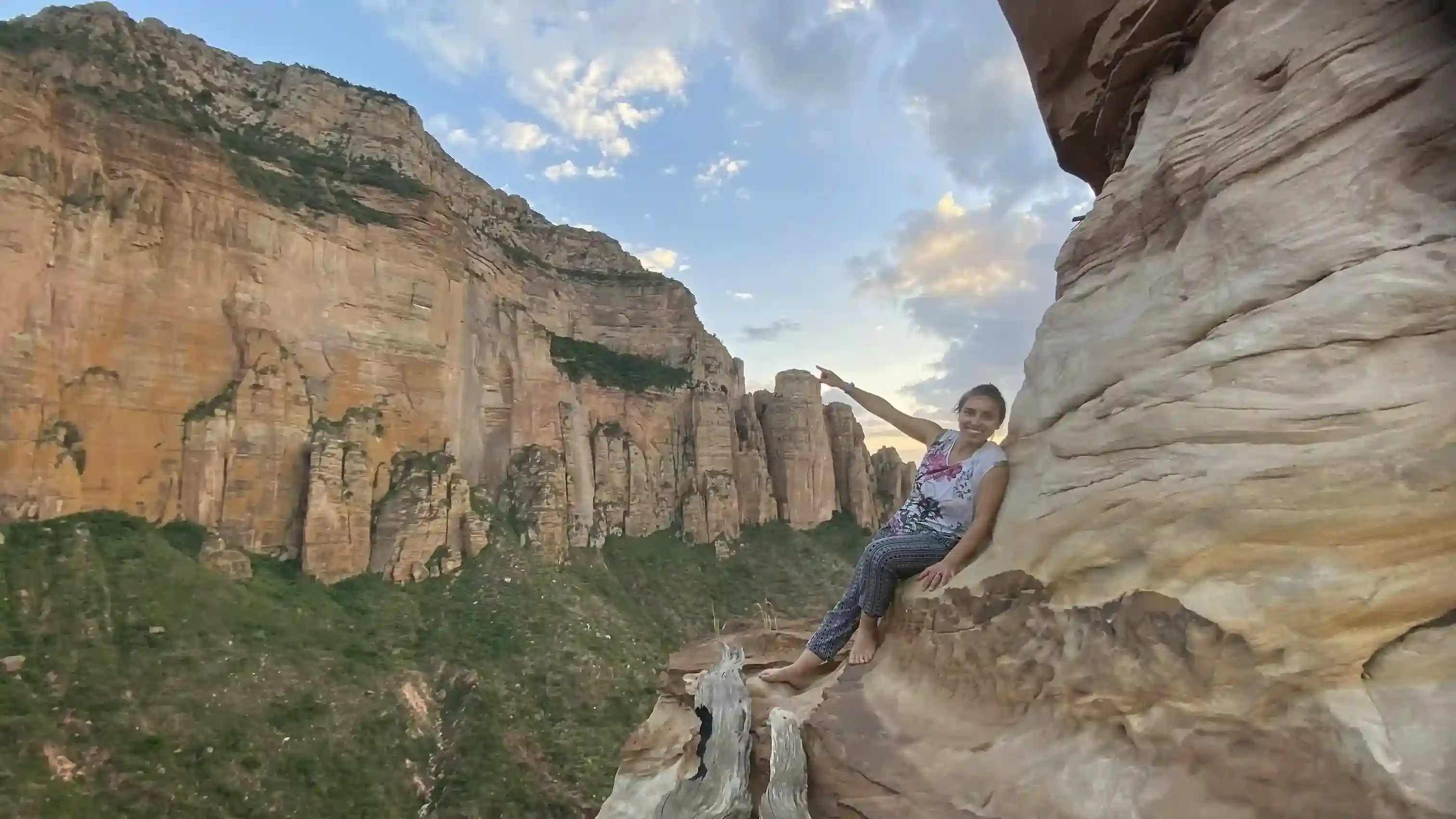
Climb to breathtaking cliffside churches like Abune Yemata Guh, carved into the sheer rock faces of Tigray.
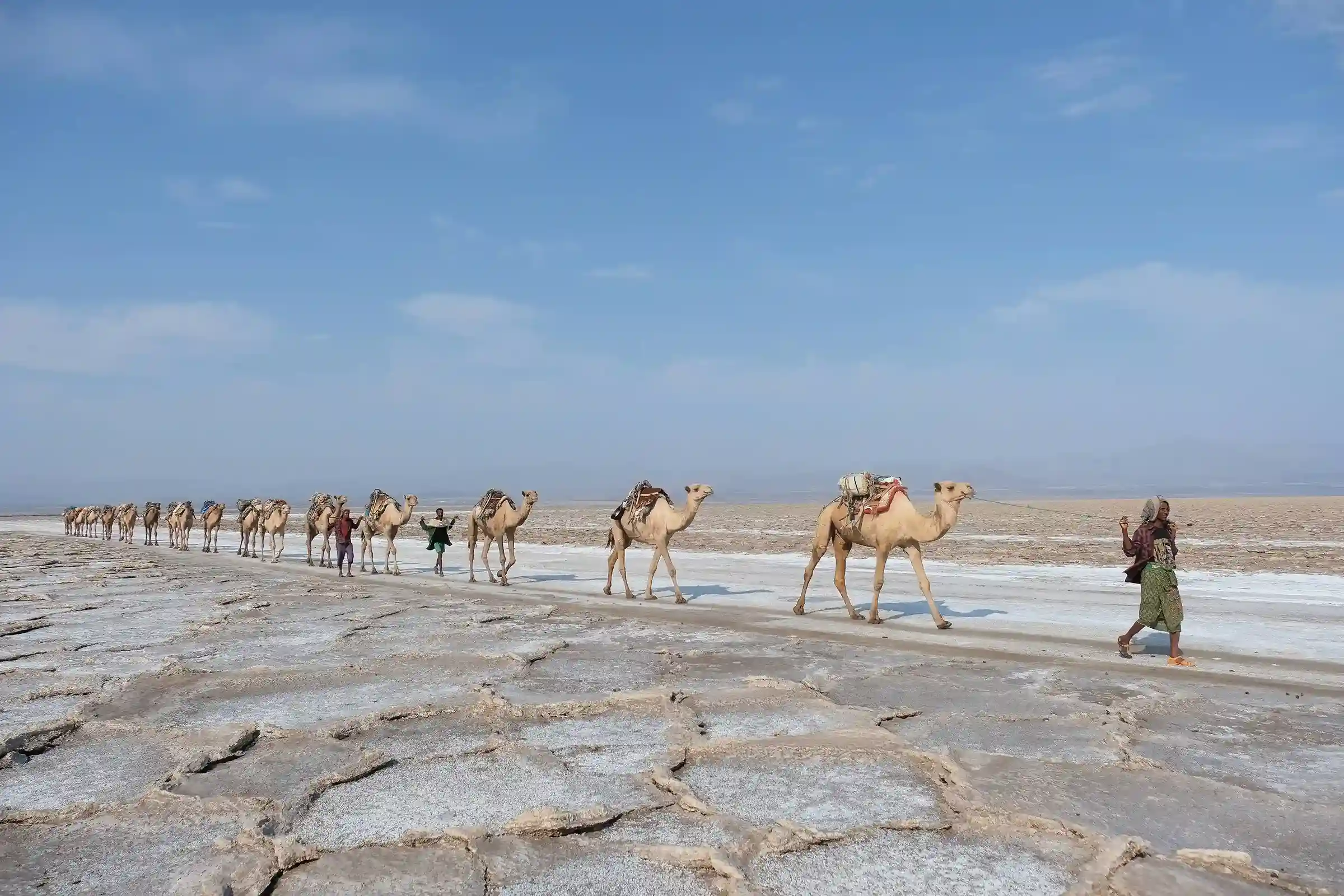
Venture into the otherworldly Danakil Depression, home to bubbling sulfur springs and one of the hottest places on Earth.