Essential Preparation for Your African Journey
Everything you need to know before you fly: visa requirements, health insurance, vaccinations, and packing essentials.
In Ethiopia, coffee (Buna) is far more than a morning caffeine boost—it is a deeply rooted cultural ritual that brings people together. As the undisputed birthplace of Coffea arabica, Ethiopia shares a centuries-old relationship with coffee. For travelers on our cultural tours, participating in a traditional coffee ceremony is an unforgettable, multi-sensory experience that symbolizes friendship, respect, and community bonding.
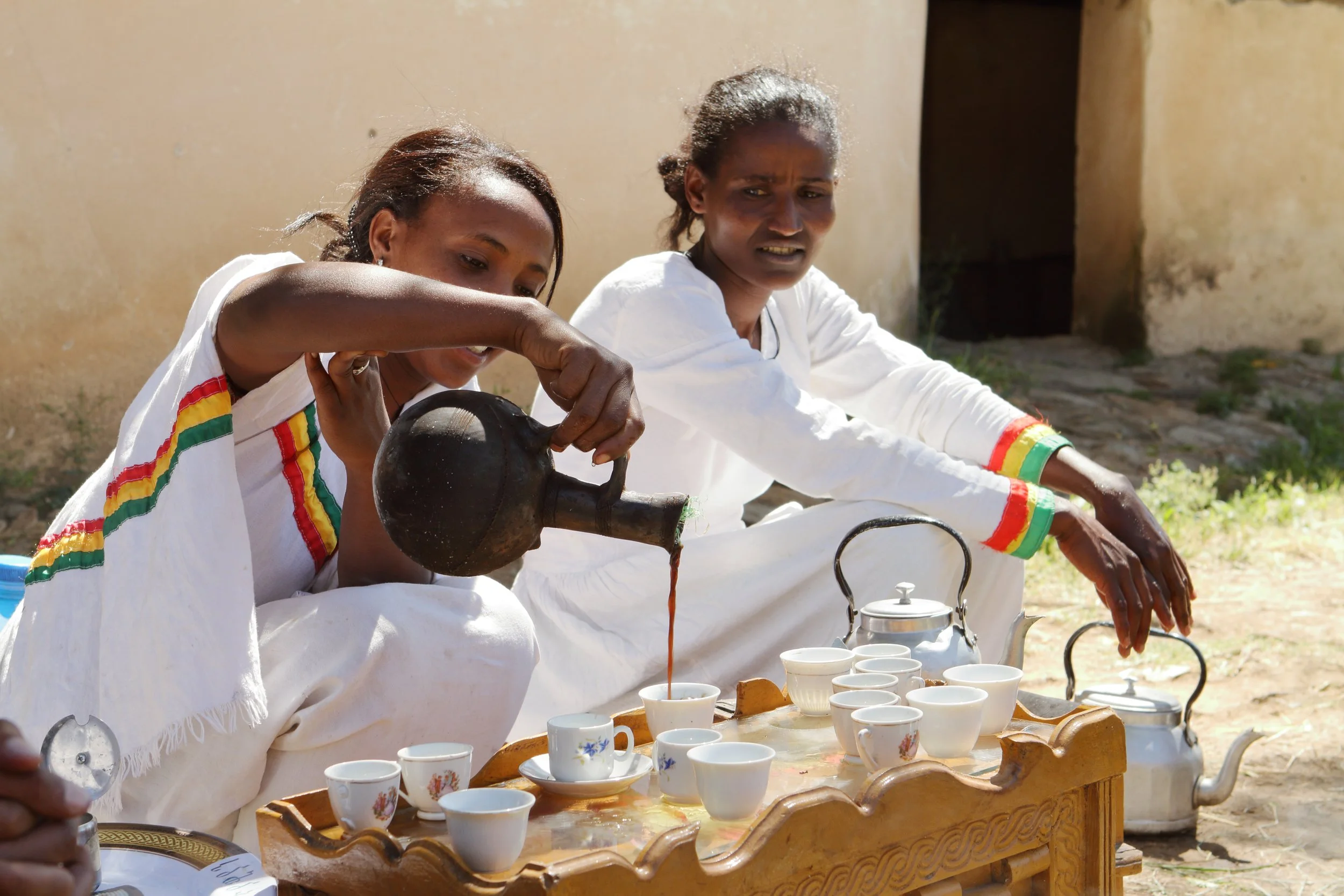 Image Credit: Africa Tour Guide
Sharing a coffee ceremony isn’t just about the coffee — it’s an invitation into someone’s home, and into the heart of Ethiopian hospitality.
Nigisti Solomon
Founder, Africa Tour Guide
According to local legend, coffee was discovered in the 9th century by an Ethiopian goat herder named Kaldi. He noticed his goats dancing with unusual energy after eating red berries. He shared his discovery with local monks, who brewed the berries to stay awake during long nights of prayer.
.webp) Image Credit: Africa Tour Guide
Image Credit: Africa Tour Guide
A traditional ceremony is a feast for the senses. It begins by spreading fresh grass on the floor, while aromatic frankincense burns. The raw green coffee beans are washed and slowly roasted over a flat pan. The host walks around, allowing guests to waft the rich aroma. The beans are hand-ground and brewed in a beautiful black clay pot called a Jebena.
The coffee is poured into small cups in three rounds: Abol (the strongest, marking the start), Tona (milder, symbolizing community bonds), and Baraka (the lightest, meaning “blessing”).
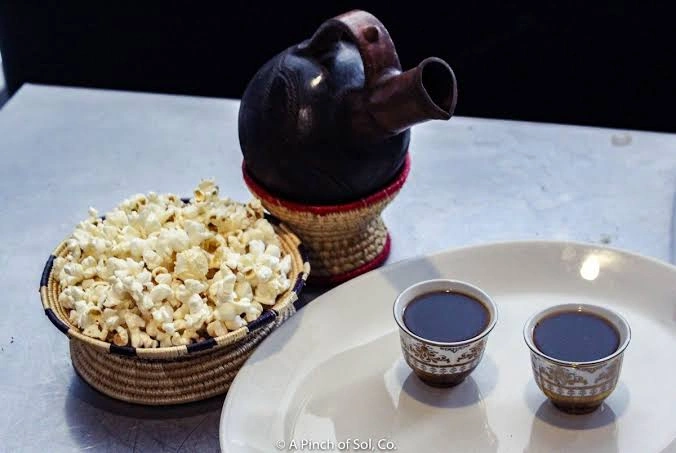 Image Credit: Africa Tour Guide
We take you into the homes of local families where you can sit, sip, and share stories, experiencing true Ethiopian hospitality.
A curated list of the most popular travel packages based on different destinations.
Everything you need to know before you fly: visa requirements, health insurance, vaccinations, and packing essentials.
Navigate Ethiopia like a local. Learn about our unique 13-month calendar, cultural etiquette, and dealing with high altitudes.
A packing checklist for high-altitude trekking, from layers to sun protection.
Comments (0)
Leave Your Comment: